How to Buy Property in Dubai if You're Not a Resident?
Dubai’s real estate market has become one of the best places in the world for property investment.
High rental returns, no property taxes, and a range of stunning properties make it a favorite for buyers from all over the globe.
And the best part? You don’t need to live in Dubai—or even be a resident—to buy property here.
Whether you’re planning to invest for long-term growth, rent out a property for a steady income, or simply own a vacation home, Dubai has made the process surprisingly straightforward for non-residents.
Can Non-Residents Buy Property in Dubai? Absolutely!
The short answer is yes, absolutely. Since 2002, Dubai has allowed foreigners to buy property in designated freehold areas.
These zones give buyers complete ownership of their property—whether it’s an apartment, villa, or townhouse—without any restrictions on leasing, selling, or occupying it.
Top Freehold Areas:
Downtown Dubai: Iconic Burj Khalifa and Dubai Mall views.
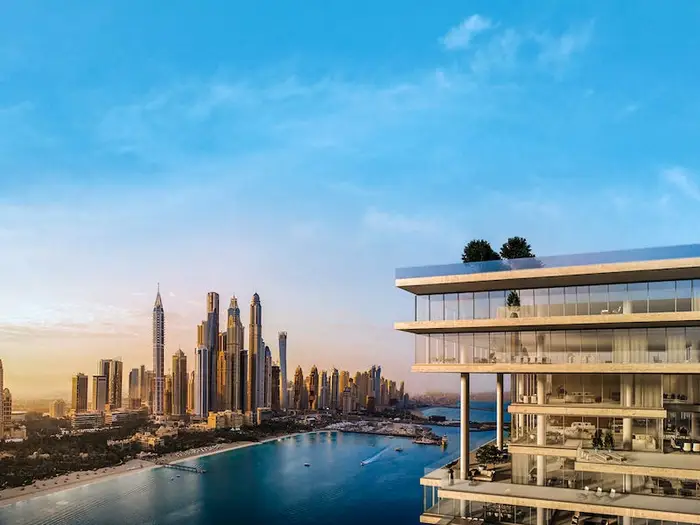
Dubai Marina: Waterfront living with strong rental potential.
Palm Jumeirah: Exclusive villas and apartments on a man-made island.
Arabian Ranches: Family-friendly community with spacious homes.
You can also invest in commercial properties like offices or shops within these zones.
Legal Requirements for Non-Residents
Buying property in Dubai as a foreigner is surprisingly simple, but there are a few key legal requirements to keep in mind:
Valid Passport
To start the process, you’ll need a valid passport to verify your identity. No additional residency or citizenship documents are required to buy property.
No Residency Needed
You don’t need to be a UAE resident to purchase property. However, owning a property in Dubai can qualify you for certain residency visas, such as the Golden Visa, depending on the property’s value.
Freehold Areas Only
Foreign buyers can only purchase property in designated freehold zones, as specified by the government. These areas offer complete ownership rights, making them a secure choice for long-term investments.

Clear Transaction Process
All property transactions are governed by the Dubai Land Department (DLD). This ensures transparency and protects the rights of buyers and sellers alike.
The Step-by-Step Process of Buying Property
The process of purchasing property in Dubai is designed to be efficient and straightforward for foreign investors. Here’s how it works:
Find the Right Property
Research is key. Decide on the type of property (apartment, villa, townhouse) and the location based on your goals. Are you looking for rental income or a vacation home? Popular options like Dubai Marina and Downtown Dubai are great for rental demand, while Palm Jumeirah offers exclusivity.
Secure Financing (If Needed)
Non-residents can obtain mortgages from UAE banks, but it’s important to know that mortgage options might be more limited compared to residents. Banks typically require:
Proof of income
Bank statements
A down payment of at least 20-25% of the property value
Negotiate and Sign the Agreement
Once you find your property, you’ll negotiate the terms and sign a Memorandum of Understanding (MOU) with the seller. This document outlines the terms of the sale and requires a deposit, usually 10% of the purchase price.
Transfer Ownership
After signing the MOU, both parties visit the Dubai Land Department to officially transfer ownership. At this stage, the buyer pays the remaining balance, the DLD registration fee (typically 4% of the property value), and any other administrative costs.
Benefits of Buying Property in Dubai as a Non-Resident
Dubai isn’t just a beautiful city; it’s also one of the most investor-friendly real estate markets in the world. Here’s why buying property in Dubai is such a great choice for non-residents:
Tax-Free Environment
One of the biggest draws is that Dubai doesn’t impose property taxes or capital gains taxes. This means you can maximize your returns, whether you’re renting out your property or selling it later at a profit.
High Rental Yields
Dubai’s rental market offers some of the best returns globally, with rental yields averaging between 6% and 8% in many areas. Hotspots like Dubai Marina and Downtown Dubai can even see returns of up to 10%, making it ideal for buy-to-let investors.
Residency Visa Opportunities
Investing in property in Dubai can make you eligible for a residency visa. For example:
Properties worth at least AED 750,000 (~$204,000) qualify for a renewable two-year visa.
Properties valued at AED 2 million (~$544,000) can make you eligible for the UAE’s Golden Visa, granting a 10-year residency with additional benefits.
Diverse Property Options
Dubai’s property market caters to all kinds of buyers. Whether you’re looking for a cozy studio apartment, a luxurious penthouse, or a sprawling villa, there’s something for everyone.
World-Class Infrastructure
Dubai’s modern amenities and connectivity are unmatched. Whether it’s shopping at The Dubai Mall, enjoying beachfront living on Palm Jumeirah, or accessing global business hubs, your investment comes with lifestyle perks.

Safe and Regulated Market
The Dubai Land Department ensures secure and transparent property transactions. With clear regulations and a proactive legal framework, investors can feel confident in the market’s stability.
Common Costs to Consider
While buying property in Dubai is straightforward, there are some additional costs you’ll need to account for:
Dubai Land Department (DLD) Fees: 4% of the property value.
Agency Commission: Usually 2% of the purchase price.
Maintenance Fees: Varies depending on the property size and community. For example, apartments in luxury communities may incur higher annual maintenance costs.
Mortgage Fees (if applicable): Includes processing fees and interest rates if you’re using a loan to finance the purchase.
FAQs
1. Can I buy property in Dubai if I don’t live in the UAE?
Absolutely! Dubai allows foreign nationals to buy property without requiring residency. As long as you have a valid passport, you can start the buying process.
2. What are the best areas for foreign investors?
Some of the most popular areas include:
Downtown Dubai: For luxury apartments and proximity to landmarks like the Burj Khalifa.
Dubai Marina: Ideal for high rental yields and waterfront living.
Palm Jumeirah: Perfect for exclusive villas and beachfront properties.
Jumeirah Village Circle (JVC): A more affordable option with strong rental demand.
3. Do I need to pay taxes on my property?
Dubai is a tax-free haven for property investors. You won’t pay property taxes or capital gains taxes. However, there are small one-time costs like the 4% Dubai Land Department fee.
4. Can I get a mortgage as a non-resident?
Yes, many UAE banks offer mortgages to non-residents. You’ll need to provide proof of income, bank statements, and a larger down payment compared to residents (typically 20-25%).
5. Can I get a residency visa by buying property?
Properties worth AED 750,000 (~$204,000) can qualify you for a renewable two-year residency visa, while properties valued at AED 2 million (~$544,000) make you eligible for the UAE's prestigious 10-year Golden Visa.
Ready to find your perfect property? Visit MIRA Developments today to explore a curated selection of luxury apartments and villas in Dubai, featuring renowned brands like ELIE SAAB, Bentley, and more. Your ideal home or investment awaits!
Comments
Post a Comment